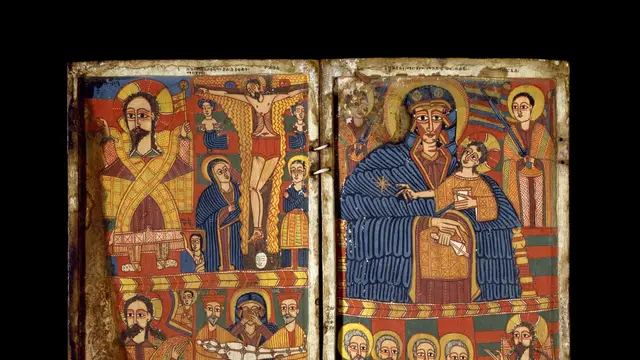
What Is the Ethiopian Orthodox Tewahedo Church? A Newcomer's Guide
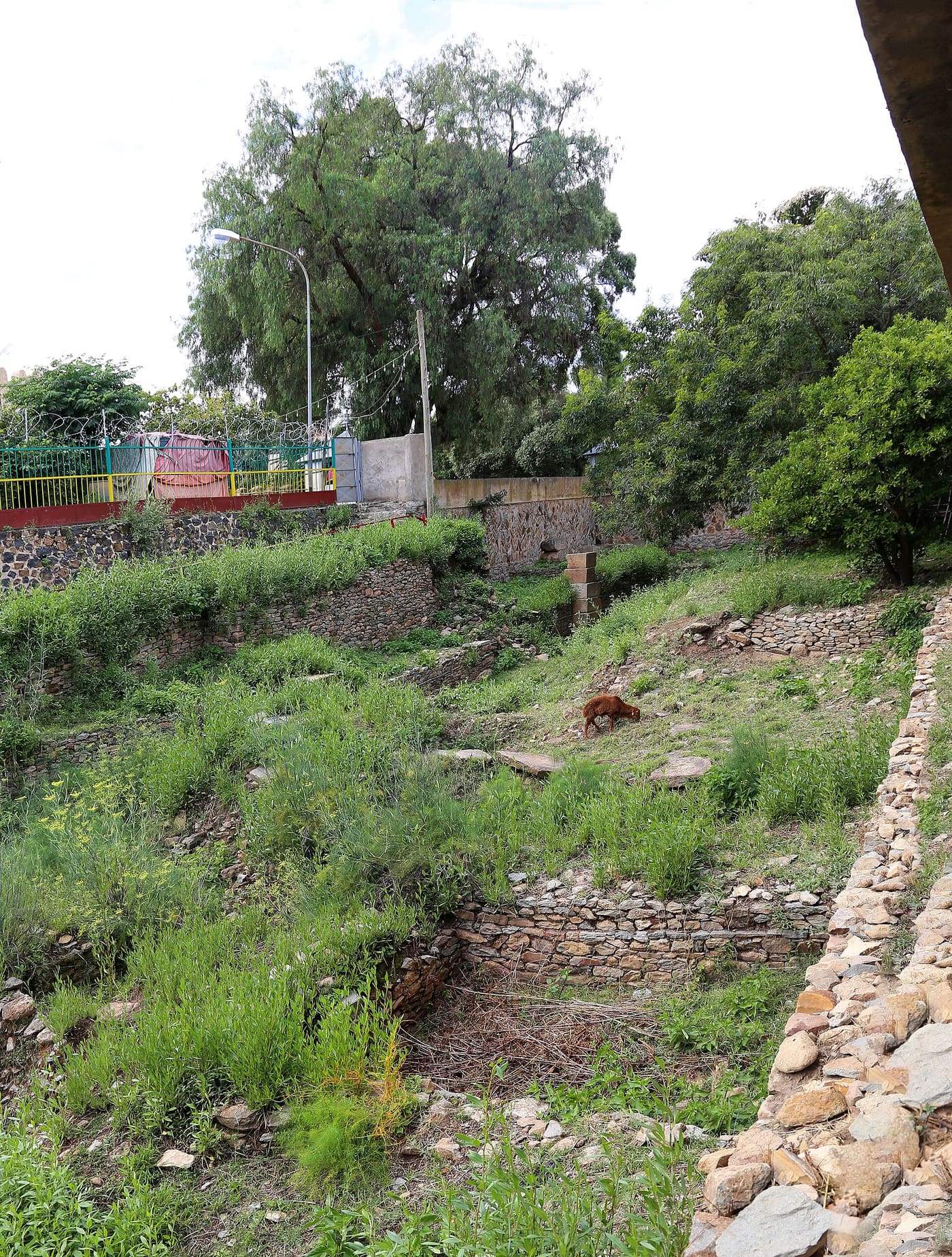
The Ethiopian Orthodox Tewahedo Church is one of the oldest Christian churches in the world, the national church of Ethiopia since the fourth century. It belongs to the Oriental Orthodox family, worships in the ancient Ge'ez language, and is known for its broad Bible, long fasts and the tabot kept in every church.
- Christianity became the faith of the Aksumite kingdom in the fourth century, when St. Frumentius was consecrated bishop by St. Athanasius of Alexandria.
- Tewahedo is a Ge'ez word meaning "made one", describing the perfect union of divinity and humanity in Christ.
- The Church is part of the Oriental Orthodox family, alongside the Coptic, Syriac, Armenian, Indian and Eritrean churches.
- Its worship uses Ge'ez, a sacred chant tradition attributed to St. Yared, and a tabot consecrated for every church.
- Some features, such as the Ark of the Covenant at Aksum, are held by tradition rather than documented history.
The Ethiopian Orthodox Tewahedo Church is one of the oldest Christian churches in the world, and the historic church of Ethiopia since the fourth century. It is an Orthodox church of the Oriental Orthodox family, with its own ancient language of prayer, its own chant, a broad Bible and a rich tradition of fasting, feasts and monastic life.
For many newcomers it is a surprise to discover a Christian church in Africa that is older than most churches in Europe. This guide explains who the Church is, what makes it distinctive, and where it stands among the world’s Christian churches.
Where did the Ethiopian Orthodox Church come from?
The Church’s story has two strands: what Scripture and tradition remember, and what history documents.
From Scripture and tradition. The Book of Acts tells of an Ethiopian court official, a treasurer of the queen of the Ethiopians, who was baptised by the apostle Philip on the road to Gaza (Acts 8:26–39). The Church treasures this account as an early sign of the Gospel reaching its people. Historians note that “Ethiopia” in ancient writing could refer broadly to lands south of Egypt, so the exact link is a matter of tradition rather than proof.
From documented history. In the fourth century, the Kingdom of Aksum in northern Ethiopia adopted Christianity. A young Syrian Christian named Frumentius, who had served at the royal court, travelled to Alexandria and was consecrated bishop by St. Athanasius, Patriarch of Alexandria. He returned to Aksum, where King Ezana became a Christian; coins from his reign replace pagan symbols with the cross. Ethiopians honour Frumentius as Abba Salama, often called Kesate Birhan, “Revealer of Light”. The ancient city of Aksum is today a UNESCO World Heritage Site (see UNESCO’s page on Aksum).
In the late fifth century, monks remembered as the Nine Saints came to Ethiopia, founded monasteries and helped translate the Scriptures into Ge’ez. The site library tells this story in detail in Ethiopian Church history from the 4th to 6th century.
What does “Tewahedo” mean?
Tewahedo (ተዋሕዶ) is a Ge’ez word meaning “made one” or “united”. It describes the Church’s faith about Jesus Christ: that in Him the divine nature and the human nature are united perfectly into one, without mixture, without confusion, without change and without separation.
This teaching follows St. Cyril of Alexandria, who spoke of “one nature of God the Word incarnate”. Christ is fully God and fully man, and after the union He is not divided into two.
Because of this, the Church has sometimes been called “Monophysite”. It firmly rejects that label, which suggests that Christ’s humanity was swallowed up by His divinity, an idea the Church itself condemns. Scholars today often use the word miaphysite (“one united nature”) instead, but the Church’s own word is simply Tewahedo. The library explains the difference carefully in Monophysitism and Dyophysitism.
Where does it sit among Christian churches?
Christianity has several large families. The Ethiopian Church belongs to the Oriental Orthodox family, a communion of ancient churches that did not accept the Council of Chalcedon in 451.
| Family | Examples | Relation to the Ethiopian Church |
|---|---|---|
| Oriental Orthodox | Coptic, Syriac, Armenian, Malankara (Indian), Eritrean, Ethiopian | Same faith and communion |
| Eastern Orthodox | Greek, Russian, Serbian, Romanian | Very close in worship and practice, separated since 451 |
| Catholic | Roman Catholic and Eastern Catholic churches | Separated since 451 |
| Protestant | Lutheran, Anglican, Baptist, Pentecostal and others | Arose in the sixteenth century and later |
The Oriental Orthodox churches accept the first three ecumenical councils: Nicaea (325), Constantinople (381) and Ephesus (431). They confess the Nicene Creed, the shared statement of faith of these early councils.
For about sixteen centuries the Ethiopian Church was closely tied to the Coptic Orthodox Church of Alexandria, which sent its archbishop, always an Egyptian monk. In the twentieth century it gained self-governance, and in 1959 its first Ethiopian patriarch was consecrated. Today it is led by its own Patriarch and Holy Synod, and remains in full communion with the Coptic Church and the other Oriental Orthodox churches. After Eritrea’s independence, the Eritrean Orthodox Tewahedo Church became a separate self-governing church in the 1990s.
What makes the Ethiopian Orthodox Church distinctive?
Much of the Church’s life is shared with the wider Orthodox world: the Divine Liturgy, seven sacraments, love for the Virgin Mary and the saints, icons and monasteries. But several features are especially its own.
Ge’ez, the language of prayer
The liturgy is traditionally celebrated in Ge’ez, an ancient Semitic language of Ethiopia. Ge’ez is no longer spoken at home or in the market, but it remains the Church’s sacred language, much as Latin once was in the West. Many parishes today also use Amharic, other Ethiopian languages, or English.
A broader Bible
The Ethiopian Bible is broader than the Bibles of most other churches. It traditionally includes books such as 1 Enoch and Jubilees, which are preserved complete only in Ge’ez. The canon is often counted as 81 books, though the way books are grouped and counted varies. The library’s page on the Sacred Scriptures explores this further.
The tabot
Every Ethiopian Orthodox church has a tabot, a consecrated tablet kept in the sanctuary and wrapped in cloth. The Divine Liturgy is celebrated on it, and without it a building is not consecrated as a church. The tabot recalls the tablets of the Law and the Ark of the Covenant.
Here it helps to separate history from tradition. The Church’s tradition, drawing on the medieval book Kebra Nagast (“Glory of the Kings”), holds that the original Ark of the Covenant was brought to Ethiopia and is kept at the Church of St. Mary of Zion in Aksum. This is a deeply held tradition, but it has never been examined by outsiders, and historians cannot confirm it.
Chant and church music
Ethiopian church chant, called zema, is attributed by tradition to St. Yared, a sixth-century musician of Aksum. It is sung in three modes, and trained church scholars, often called debtera, accompany the chant with drums, sistrums and prayer staffs. Readers can learn more in the library’s page on liturgical music.
Fasting and feasts
The Church is known for its many fasting days, more than in most other Christian churches. Fasting usually means abstaining from all animal products, and often from food until a certain hour of the day. Wednesdays and Fridays are fasting days for much of the year, along with longer seasons such as the Great Lent before Easter (Fasika). The exact rules vary, and anyone wishing to fast should ask their priest for guidance.
The Church also follows its own calendar, which is about seven to eight years behind the Gregorian calendar. This is why Ethiopian Christmas, Genna, and Epiphany, Timkat, fall on different dates from those familiar in the West.
Practices rooted in the Old Testament
Outsiders often notice customs that echo the Old Testament: keeping Saturday as a day of rest alongside the Lord’s Day on Sunday, avoiding pork, and the circumcision of boys. The Church understands these as part of its inherited way of life, not as a way of earning salvation, which comes through Christ.
How many people belong to the Church?
The Ethiopian Orthodox Tewahedo Church has tens of millions of members, most of them in Ethiopia, making it one of the largest Orthodox churches in the world. There are also growing parishes across Europe, North America, the Middle East and Australia, built up by the Ethiopian diaspora. For an encyclopaedic overview, see Britannica’s entry on the Ethiopian Orthodox Tewahedo Church.
Where to go from here
The best way to understand the Church is through its life of prayer: the Divine Liturgy, the sacraments and the saints. A good next step is the library’s overview of the Sacramental Mysteries of the Church, which describes the holy mysteries through which the faithful receive grace.
Anyone thinking about visiting or joining a parish is encouraged to speak with a local priest, who can explain the Church’s customs and answer personal questions with care.
Common questions
Is the Ethiopian Orthodox Church the same as the Eastern Orthodox Church?
No. The two families share much, including the Nicene Creed, seven sacraments, veneration of St. Mary and the saints, and a strong monastic tradition. But they have been separated since the Council of Chalcedon in 451. The Ethiopian Church belongs to the Oriental Orthodox family, while the Eastern Orthodox include the Greek, Russian and other Byzantine-tradition churches.
Is the Ethiopian Orthodox Church Monophysite?
The Church rejects that label. "Monophysite" is usually understood to mean that Christ's humanity was absorbed or lost in His divinity, which the Church condemns. It teaches that Christ is fully God and fully man, united in one nature without mixture, confusion or separation. The word it uses for itself is Tewahedo, "made one".
Can a visitor attend an Ethiopian Orthodox service?
Generally, yes. Visitors are usually welcome to attend the Divine Liturgy and observe. Customs such as removing shoes, dressing modestly, and women covering their heads are common, though practice varies by parish. Holy Communion is for baptised Orthodox faithful who have prepared, so it is best to speak with the parish priest beforehand.
What language are Ethiopian Orthodox services in?
The traditional liturgical language is Ge'ez, an ancient Ethiopian language that is no longer spoken in daily life but remains the language of the Church's prayers and chant. Many parishes today also use Amharic, Tigrinya, Afaan Oromo, English or other languages for readings, sermons and parts of the service, especially in the diaspora.
Sources
- Ethiopian Orthodox Tewahedo Church, Encyclopaedia Britannica
- Aksum, UNESCO World Heritage Centre
- Ethiopian Church History - 4th to 6th Century (site library)
- Acts 8:26-39, the Ethiopian official baptised by Philip