The Seven Sacraments of the Ethiopian Orthodox Church
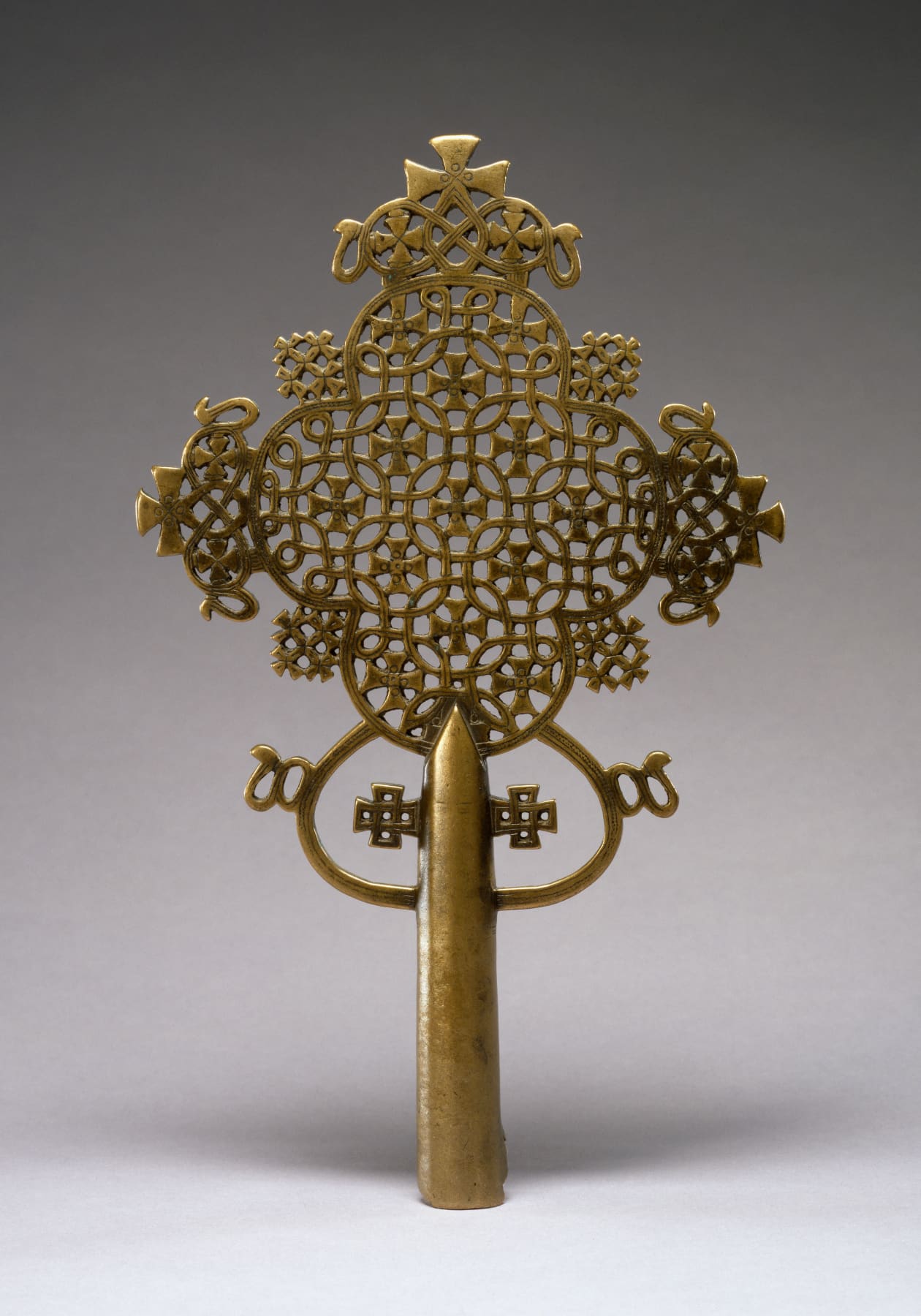
The Ethiopian Orthodox Tewahedo Church teaches seven sacraments, also called holy mysteries: Baptism, Chrismation, the Holy Eucharist, Confession, Holy Orders, Holy Matrimony and the Anointing of the Sick. The Church teaches that through these sacred rites, God gives His grace to believers in a visible way.
- The Church counts seven sacraments, which it also calls holy mysteries.
- Baptism, Chrismation and the Eucharist bring a person into the full life of the Church.
- Baptism, Chrismation and Holy Orders are received only once.
- Each sacrament uses prayer and, usually, a physical element such as water, oil, bread or wine.
The Ethiopian Orthodox Tewahedo Church has seven sacraments: Baptism, Chrismation, the Holy Eucharist, Confession, Holy Orders, Holy Matrimony and the Anointing of the Sick. The Church also calls them “mysteries,” because in them God acts in a way that human reason cannot fully explain.
The Church teaches that these rites were instituted by Jesus Christ as visible means of invisible grace. For the Church’s own fuller teaching, see the library’s introduction to the Sacramental Mysteries.
The seven sacraments at a glance
| Sacrament | What it does | Received |
|---|---|---|
| Baptism | Washes away sin and brings new birth in Christ | Once |
| Chrismation | Seals the baptized with the gift of the Holy Spirit | Once |
| Holy Eucharist | Unites the believer with the Body and Blood of Christ | Repeatedly |
| Confession | Restores the sinner through repentance and absolution | Repeatedly |
| Holy Orders | Sets apart deacons, priests and bishops to serve | Once for each order |
| Holy Matrimony | Joins a man and a woman in a blessed union | Normally once |
| Anointing of the Sick | Brings prayer and healing to those who are ill | When needed |
Why are they called mysteries?
A mystery, in this sense, is not a puzzle to be solved. It is a real meeting with God that goes beyond what can be seen. The outward part of each sacrament can be observed: water is poured, oil is applied, prayers are sung. The inward part, the work of the Holy Spirit, is received by faith.
The use of water, oil, bread and wine also carries a lesson. The material world is God’s good creation, and He uses it to reach His people.
1. Baptism
Baptism is the door into the Christian life. The person is immersed three times in the name of the Father, the Son and the Holy Spirit. By long tradition, boys are baptized on the fortieth day after birth and girls on the eightieth, although the exact day can vary.
The library has a full page on Holy Baptism. The same word, Timkat, is used for the January feast of Christ’s baptism, which is a celebration and not the sacrament itself.
2. Chrismation
Chrismation follows immediately after Baptism. The priest anoints the newly baptized person with holy oil called Meron, and through this anointing the person receives the gift of the Holy Spirit. In the Western tradition, the closest equivalent is Confirmation, which usually comes years later. In the Ethiopian Church, even an infant receives it on the day of Baptism. Read more about Holy Chrismation.
3. The Holy Eucharist
The Eucharist, or Qurban, is the center of the Church’s worship. The Church teaches that the bread and wine truly become the Body and Blood of Christ during the Divine Liturgy. This is why it is approached with such seriousness, including fasting and self-examination beforehand.
Newly baptized infants also receive Communion. To learn more, see the library’s pages on the Holy Eucharist and on how Holy Communion is received.
4. Confession
Christians sin after Baptism, and Confession is the path back. The believer repents and confesses to a priest, who pronounces absolution and may give a penance to help the person heal and grow.
Many Ethiopian Orthodox Christians have a priest who serves as their soul father, a personal spiritual guide who knows them over many years. The library has a page on Confession and Absolution.
5. Holy Orders
Holy Orders sets men apart for service in the Church through the laying on of hands. The three major orders are deacon, priest and bishop.
A married man may be ordained a deacon or priest, provided he married before ordination. Bishops are chosen from among monks and do not marry.
6. Holy Matrimony
In marriage, a man and a woman are joined together with God’s blessing. The rite is known for its crowning, and the Ge’ez name for it, Teklil, is linked with that crown. The crown is a sign of the honor and the calling that the couple receives. Read more on the page about Holy Matrimony.
7. The Anointing of the Sick
In this sacrament, priests pray over a sick person and anoint them with blessed oil, following the instruction in the Epistle of St. James (5:14-15). The prayer asks for healing of both body and soul, and for the forgiveness of sins. It is not only for those near death: anyone who is seriously ill may ask for it.
Which sacraments can be received more than once?
Baptism and Chrismation mark a permanent new beginning, so they are not repeated. Holy Orders, too, is given once for each order. The Eucharist and Confession, in contrast, are meant to accompany a Christian throughout life. The Anointing of the Sick can be received each time there is need.
Customs can differ from one parish or region to another. Anyone preparing for a sacrament should speak with their own priest, who can explain what is expected in their community.
Common questions
Are babies baptized in the Ethiopian Orthodox Church?
Yes. Infants are baptized, and by long tradition boys are baptized on the fortieth day after birth and girls on the eightieth. Local circumstances can change the exact day. Adults who come to the faith are also baptized after they have been taught. Families should speak with their priest about arrangements.
Can a non-Orthodox Christian receive Communion at an Ethiopian Orthodox church?
Holy Communion is for baptized members of the Church who have prepared themselves. A visitor from another Christian tradition is welcome to attend and pray, but should not go forward to receive. Anyone with a question about their own situation should speak with the priest before the service begins.
Is Timkat the same as baptism?
The word is related, but there are two different things to keep apart. Holy Baptism is the sacrament that a person receives. Timkat is also the name of the great January feast that remembers the baptism of Christ in the Jordan. Taking part in the feast does not replace or repeat the sacrament of baptism.
Sources
- Sacramental Mysteries of the Church, library of this site
- The Ethiopian Orthodox Church, edited by Aymro Wondmagegnehu and Joachim Motovu (1970)
- Holy Bible, Epistle of St. James 5:14-15